



Snail
The snail is a terrestrial taxon of the mollusk phylum gastropod, which belongs to the group of invertebrates. The body is soft and usually protected by a spiral hard shell. The head has two pairs of antennae, the longer one for sensing the environment and the shorter one associated with smell and taste. The foot is muscular and moves slowly on various surfaces by secreting mucus. The shell is one of its distinctive features. The shape and color of the shell vary from type to type. It is not only a protective device for snails, but also helps them retain moisture and adapt to a dry environment. It is an omnivorous animal that feeds on the leaves, stems and fruits of plants, and some species also eat humus or small insects.

Snail 3D Model
The snail is a terrestrial taxon of the mollusk phylum gastropod, which belongs to the group of invertebrates. The body is soft and usually protected by a spiral hard shell. The head has two pairs of antennae, the longer one for sensing the environment and the shorter one associated with smell and taste. The foot is muscular and moves slowly on various surfaces by secreting mucus. The shell is one of its distinctive features. The shape and color of the shell vary from type to type. It is not only a protective device for snails, but also helps them retain moisture and adapt to a dry environment. It is an omnivorous animal that feeds on the leaves, stems and fruits of plants, and some species also eat humus or small insects.

African Snail
The African giant snail, also known as the brown cloud agate snail, is a large terrestrial snail native to East Africa. The shells are long-ovoid, slightly thick and glossy, usually yellow or dark yellow, with a pyrobrown haze pattern. Adult individuals generally 7-8cm long, up to 20cm, weight up to 800 grams. It has the habit of nocturnal and nocturnal, likes humid environment, and often inhabits vegetable fields, orchards, overgrown areas and humus soil. It is an omnivorous animal that feeds on vegetables, flowers, fruits and other crops, causing certain harm to agriculture. The reproductive ability is extremely strong, the life span is generally 5-6 years.

Snail in vivo structure 3D model
The snail is a general term for the terrestrial taxa of the mollusk phylum gastropod, which belongs to invertebrates. The body is soft and usually protected by a spiral hard shell. The head has two pairs of antennae, the longer one for sensing the environment and the shorter one associated with smell and taste. The foot is muscular and moves slowly on various surfaces by secreting mucus. The shell is one of its distinctive features. The shape and color of the shell vary from type to type, from simple conical to complex spiral. It is a protective device for snails, and it can also help them retain moisture and adapt to dry environments. It's an omnivorous animal. It is often used for scientific research, ecological education or as a food.

Snail shell (3D printed)
Snails are mollusks of the family Snails, with over 25000 known species worldwide. Snails have a soft body with a spiral shaped outer shell, and their body is divided into a head and feet; There are 2 pairs of antennae on the head, 1 pair of longer antennae on the back, and 1 pair of eyes at the top of the antennae. There are jaws and file shaped teeth in the mouth, which are used for chewing and chopping food; The abdomen and feet are flat and secrete mucus at the bottom, making it convenient for the feet to use muscle contractions to glide on different surfaces. Breathing occurs in tissues similar to lungs, and air enters through the inhalation port. Snails are named because they have two horn like antennae on their heads when crawling.

Garden snail specimen
The garden snail belongs to the "Halix" snail genus, which is native to central western Europe such as France and England. It usually inhabits gardens or shrubs, hence it is called the "garden snail" or the scattered snail. There are dense and delicate engraved patterns, with multiple dark brown spiral shaped bands that block the yellow spots or stripes that intersect with them., Shells have 4.5 to 5 snail layers, with a shell height of 29 to 33 millimeters and a shell width of 32 to 38 millimeters. The shell surface has obvious threads and growth lines, and the spiral part is short. The embryonic snail layer is smooth, and the body snail layer is particularly enlarged, with extreme inclination in the forward direction.

Popular Models
Honey Badger (3D animated model)
194 View
Guinea fowl (3D animated model)
165 View
Wild Goose (3D animated model)
187 View
Red Fox (3D animated model)
155 View
Random Model
Pteranodon (3D animated model)
140 View
Melville Whale (3D animated model)
168 View
Pine tree
115 View
Guinea fowl (3D animated model)
165 View

Maxillosaurus (3D animated model)
123 View
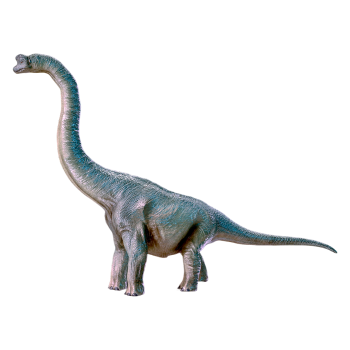
Brachiosaurus (3D animated model)
143 View